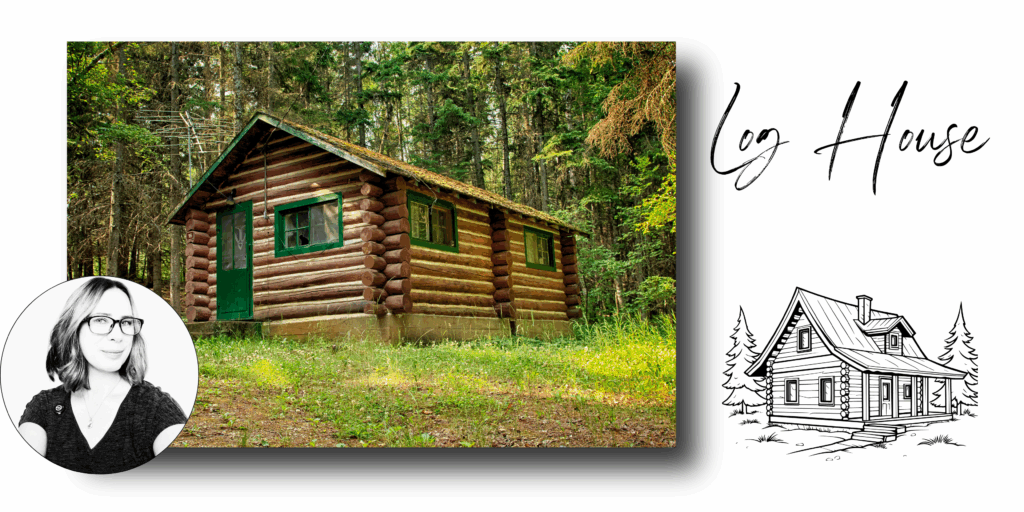
Once considered cozy weekend getaways, many of these charming cabins have transformed into stylish, year-round homes. With modern comforts tucked into rustic surroundings, they offer the perfect balance of nature and convenience.
Beyond their nostalgic charm, these homes represent a lifestyle—one rooted in simplicity, outdoor adventure, and a deep appreciation for the natural beauty that surrounds us. Whether nestled by a quiet lake or perched among the pines, West Milford’s log cabins are more than just homes—they’re sanctuaries for those who want to unplug, unwind, and truly love where they live.
European settlers in North America constructed basic log structures as practical shelters for hunting and farming. These weren’t homes so much as rough-and-ready traps against the cold. By the early 1900s, log cabins began evolving into weekend and summer retreats, especially near lakes and forests—ideal for fishing, hunting, and unplugging. Fast forward to today, and many of these cabins in places like West Milford, NJ, have been updated with insulation, plumbing, heating, and stylish interiors, making them suitable for year-round living.
PROS OF OWNING A LOG CABIN
👍
Excellent insulation & energy efficiency The thick logs provide natural thermal mass, keeping interiors warm in winter and cool in summer—plus they dampen noise beautifully
Rustic aesthetic appeal The natural look of logs creates a cozy, nature-inspired ambiance that few conventional homes can match .
High ROI potential Despite higher maintenance costs, log cabins tend to command strong resale values—Realtor.com notes returns can reach up to 30 %. Over 35,000 log homes are built annually in the U.S., roughly 10 % of custom home builds, which underscores their ongoing popularity.
Well‑positioned market growth Globally, the log cabin/home market is projected to grow from about US $10.1 Billion in 2024 to around $10.7 B in 2025 (6.1 % CAGR), and further to $13.4 B by 2029.
CONS OF OWNING A LOG CABIN
👎
Ongoing maintenance Logs require regular staining, sealing, and inspections to guard against rot, insect infestations (like termites), moisture damage, and chinking wear
Higher upfront cost Building or purchasing a quality log cabin is usually pricier than a similar-size conventional home—often ranging from $50,000–$150,000 for basic models, and significantly more for custom or historic structures
Niche resale market Their unique aesthetic is a boon for some but may deter buyers who prefer modern or conventional homes .
Appraisal challenges Finding proper comparables can be tricky, which may complicate financing and limit appeal to conventional lenders